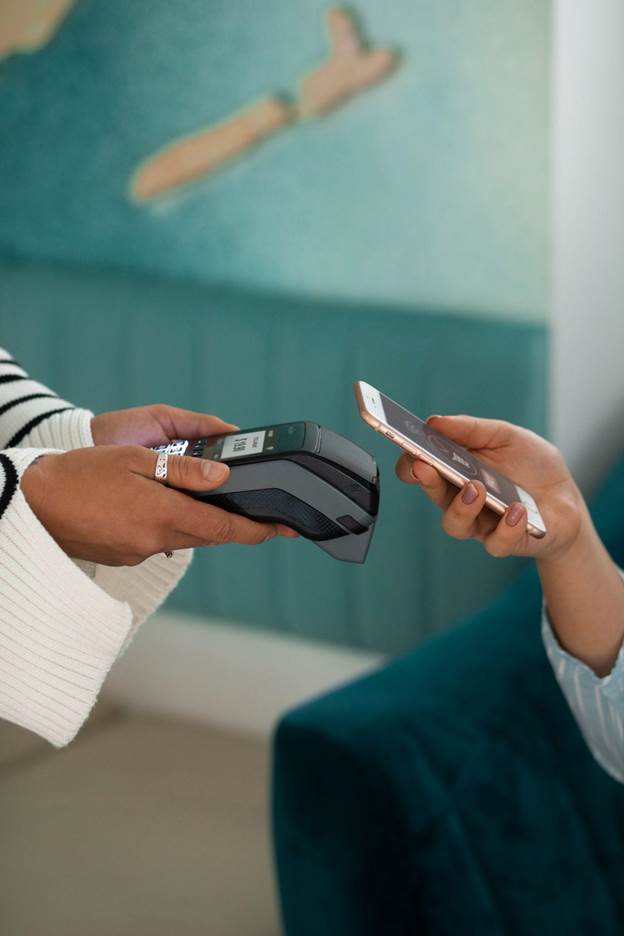
Carrier billing has been gaining recognition as a valuable payment method in the UK and beyond as smartphone adoption has surged in recent years. It provides more options to consumers, breaks down barriers to accessing digital products and services in unbanked regions around the world, and provides greater privacy and convenience to banked areas. These qualities, and more, make our phone bills the ultimate wallet for managing our spending habits. But for many, this payment method is largely unknown. For that very reason, we’ll cover what carrier billing is, how it’s used, and most importantly, why this payment method is growing in popularity.
What Is Carrier Billing?
Carrier billing, also known as mobile billing or direct carrier billing, is the process of charging purchases to your mobile carrier bill or prepaid balance, without needing to use a credit card or other form of payment. It’s a highly convenient payment method, particularly for in-game or in-app transactions.
The process of carrier billing payments uses your phone number as the payment method. To use this option, select “mobile billing” or “carrier billing.” Authentication requires entering your phone number and the one-time SMS code sent to you. The purchase is then added to your monthly bill or subtracted from your prepaid balance.
Common Use Cases
Generally, carrier billing is used for small transactions, like in-game purchases that only cost a few dollars. These are commonly referred to as micro-transactions. In the EU, carrier billing is restricted to micro-transactions as the most a single purchase can cost is €50, and there’s a monthly maximum of €300. With these restrictions in mind, carrier billing is primarily used for micro purchases in five main purchase categories, explored in closer detail below.
1. App Store Purchases
From purchasing apps to in-app purchases and premium app features, carrier billing is well-suited to purchases through stores like the Apple App Store and Google Pay. They tend to be small and used on mobile devices, making mobile billing a streamlined option.
2. Digital Subscription Services
Like app purchases, digital subscription services are also well-suited to carrier billing, making accessing additional cloud storage or digital content a quick process.
3. Charity Donations
Charities embrace the simplicity of carrier billing to facilitate donations to support their causes by making it frictionless and headache-free for people to donate what they can.
4. Public Transport
Transit systems streamline commutes by supporting mobile billing, making it a simple tap-and-go process while they commute from point A to point B without the need to scramble for their wallets to pay the fare.
5. Online Gaming
Games ranging from casual mobile games to online casinos are increasingly accepting payment through your phone bill, which minimises disruptions to gameplay. It’s possible to make in-game purchases, buy virtual currencies, or place wagers using this method, enhancing the gaming experience.
Why It’s Gaining Momentum
The ability to charge purchases to your carrier has been around since the 1990s, but it’s only recently gained momentum as a popular payment option. The growth of carrier billing is attributed to people’s increased mobile use and digital engagement, especially among Gen Z and Millennial shoppers.
Given today’s mobile-first behaviours, there’s growing awareness of this payment method, driving its widespread adoption. In 2024, the payment method accounted for $9.3 billion worth of global transactions. By 2029, it’s projected to exceed $15 billion.
Part of what’s driving this growth also comes down to the standardisation of Application Programming Interfaces (APIs) that enable carrier billing for different uses. The standardisation allows for more rapid rollout of the payment option while adhering to payment security regulations and restrictions. As more vendors implement it, more users are adopting it in their spending.
The Privacy and Security Edge
A significant reason that consumers are drawn to this payment method is the security and privacy it affords them. There’s more anonymity through carrier billing and less sensitive information required to facilitate transactions, giving users more confidence in protecting their personal information. All that’s required is their phone number. They do not need to worry about adding their credit card numbers, addresses, or other information they’d prefer to keep private. It offers peace of mind to consumers who are weary of third-party financial apps like digital wallets.
The addition of purchase authentication also adds another layer of security, making it difficult for fraudulent or unauthorised purchases to be made using this payment option. Because no banking or credit information is needed in the payment process, carrier billing is ideal for users in unbanked regions or areas with limited financial services.
A More Inclusive Payment System
With more equal access, regardless of someone’s access to banking resources, carrier billing offers an inclusive payment option. It enables more people to participate in digital activities, providing access to information, financial services, and education opportunities. Carrier billing can help create financial access that empowers individuals and their financial well-being regardless of the physical infrastructure at their disposal.
read more : Building Strong Structures from the Ground Up
What’s Next for Carrier Billing?
As carrier billing is increasing in global awareness and use, it’s evolving to better suit consumer demands. This method of payment is being integrated into e-commerce programs, making it possible for purchases to move from being solely digital to including physical goods and services. The standardisation is also setting up large businesses and media companies to offer this payment method, creating even more access to digital tools and services globally.
This growth won’t be without challenges—as regulations and restrictions are strict—but even with these in mind, carrier billing has the potential to be a significant force in the global payment landscape.