Key Takeaways
- High extraction rates (1000m³/hr and above) are essential for heavy Asian cooking. Modern models now balance this power with noise levels below 60dB.
- While landed properties can use ducted systems for superior air removal, most HDB and condo dwellers rely on recirculating hoods with high-quality charcoal filters.
- To ensure maximum grease capture, your hood should ideally be at least as wide as your hob.
- Wiping down surfaces after every meal and cleaning grease filters fortnightly prevents sticky oil build-up and maintains motor efficiency.
Introduction
Stepping into a Singaporean kitchen means preparing for a masterclass in aromatics, from the spicy sear of a sambal to the robust smoke of a high-heat wok hei. However, without the right ventilation, those tantalising scents and airborne grease particles quickly turn into a sticky film on your designer cabinetry and a lingering odour in your living room. In our humid tropical climate, stagnant air and grease are the enemies of a pristine home. Finding the best kitchen hood in Singapore is a strategic investment in your home’s air quality and cleanliness.
The Science of Suction and Airflow Dynamics
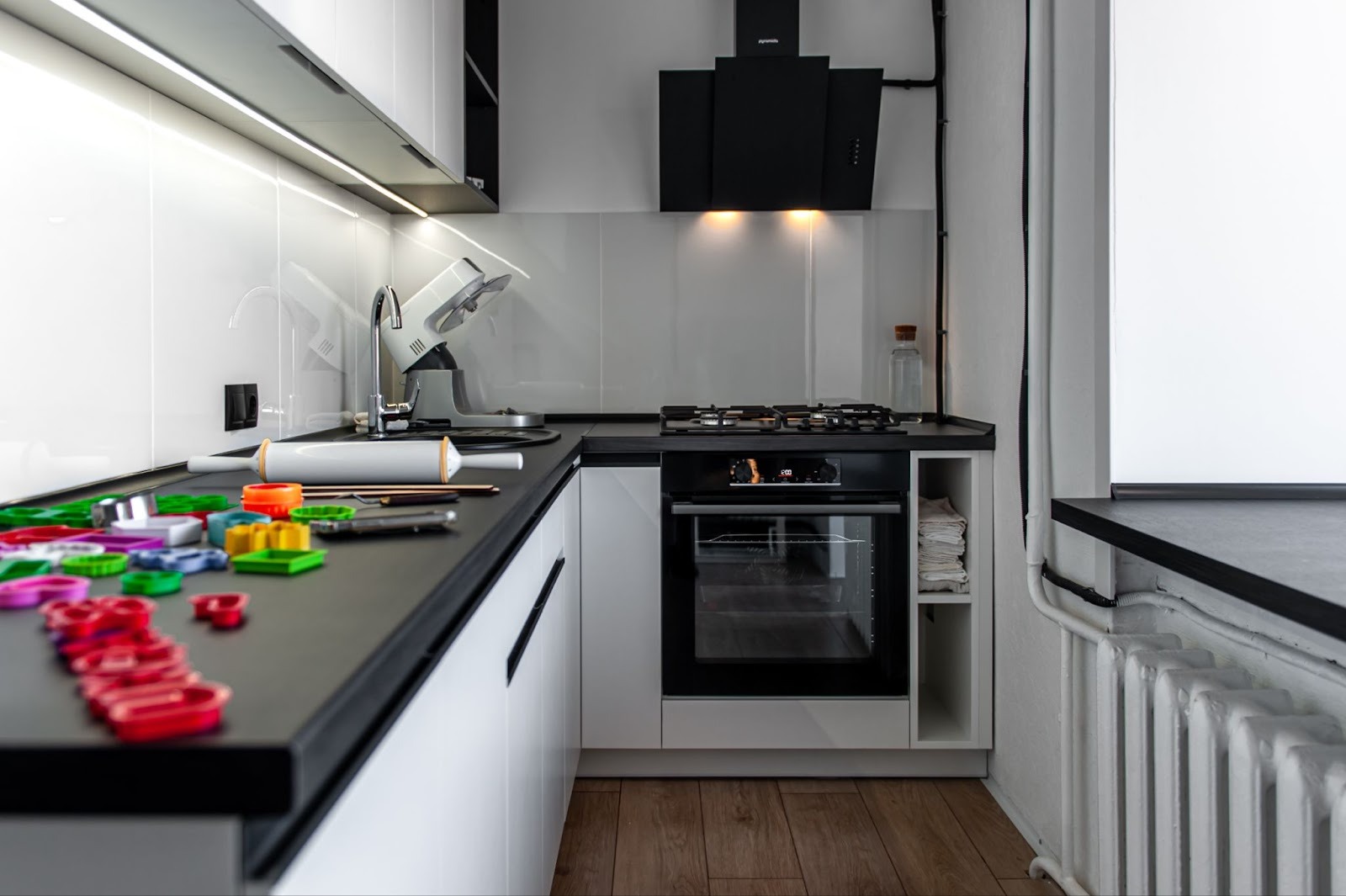
When evaluating a kitchen hood, the most critical metric is the extraction rate, typically measured in cubic metres per hour (m³/hr). For the high-heat stir-frying common in local households, a rate of at least 800m³/hr to 1200m³/hr is recommended. High suction ensures that oil fumes are locked and removed before they can disperse into the wider house. Slimline hoods are popular for their space-saving qualities in HDB flats because of smaller motors compared to robust chimney or inclined models. Inclined hoods have emerged as a modern favourite in Singapore because they sit at an angle, bringing the suction source closer to the cooking fumes without obstructing the chef’s view. This ergonomic advantage allows efficient smoke capture even at lower speeds, which reduces the overall electricity consumption and noise levels in your kitchen.
Choosing Your Property Type
The structural layout of your home largely dictates the type of ventilation system you can install. Ducted hoods physically transport smoke and heat outside through a pipe. These are ideal for landed properties or newer apartments where external venting is permitted. They offer superior performance as they remove the hot air entirely, keeping the kitchen cooler during long braising sessions. For the majority of HDB and condominium residents, recirculating hoods are the practical solution. These systems pull air through a two-stage filtration process: a metal grease filter and a charcoal filter to neutralise odours, before releasing the scrubbed air back into the kitchen. To maintain peak performance, these filters must be replaced every six months, as saturated charcoal loses its ability to trap odour molecules.
Outcomes That Matter Most
Beyond the technical specifications, the best kitchen hood in Singapore provides outcomes that impact your daily life. The most significant outcome is the preservation of indoor air quality. Cooking at high temperatures releases fine particles and chemicals like carbon monoxide and nitrogen dioxide. A powerful hood acts as a primary health filter, protecting those with respiratory sensitivities or allergies from the aftermath of dinner. Hygiene is the second major outcome. Without effective extraction, microscopic grease droplets settle on every surface, including ceilings and floors. This creates a magnet for dust and bacteria, making post-cooking cleanup a laborious task. Finally, there is the factor of property value. A well-ventilated kitchen prevents moisture and oil from damaging expensive wooden cabinetry and paintwork, ensuring your kitchen stays in show-flat condition for years, which is a major plus for resale value.
Maintenance Secrets for Peak Performance
Even the most expensive hood will falter if the filters are clogged. Grease filters, usually made of aluminium or stainless steel, should be removed and soaked in hot soapy water or placed in the dishwasher every two to four weeks. Advanced models now feature specialised coatings, such as oil repellent or hydrophilic paint, which allow oil to bead and slide off easily during cleaning. For those with recirculating systems, the charcoal filter is the silent hero. Do not attempt to wash charcoal filters; once they are spent, they must be replaced.
Conclusion
Choosing a kitchen hood is about finding the perfect synergy between power, placement, and property constraints. Whether you opt for a high-suction chimney model to tackle heavy wok cooking or a discreet slimline hood for a minimalist condo setup, the goal remains the same: a fresh, grease-free sanctuary. By understanding the extraction needs of Asian cooking and committing to a simple maintenance routine, you can ensure that the best kitchen hood in Singapore stays effective for the long haul.
Ready to upgrade your cooking experience? Don’t let smoke and grease dictate your kitchen’s atmosphere. Explore Best SG Finds today.