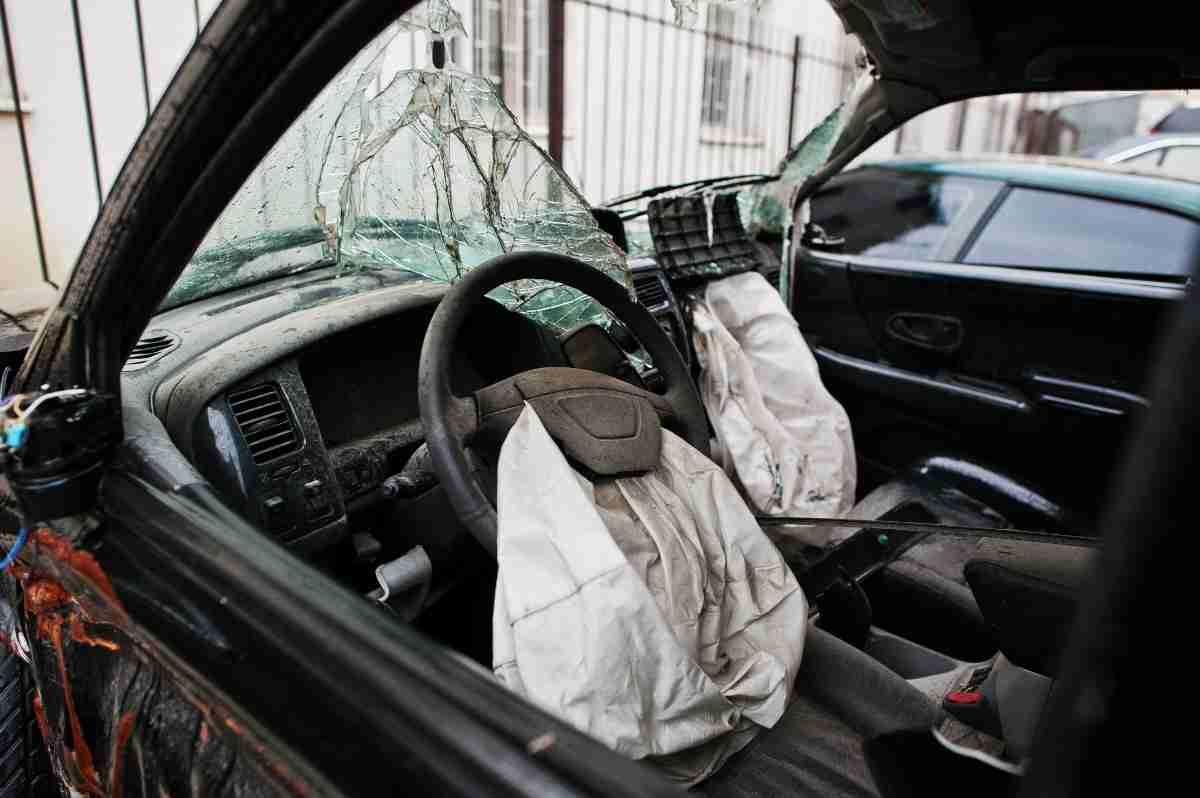
A serious car accident can damage a household budget long after the vehicle leaves the repair shop. Medical treatment, missed paychecks, transportation costs, and disrupted household duties can drain savings while an insurance claim remains unresolved. Some expenses appear immediately, while others emerge months later through continued care or reduced earning capacity. Identifying every loss early gives an injured person a clearer financial picture before settlement discussions begin. Several overlooked costs deserve close attention during that review.
Insurers often calculate opening offers from limited records instead of the full cost of recovery. A Greensboro accident attorney can compare medical records, wage documentation, repair estimates, and release language before a claimant accepts payment. That review can expose omitted losses and prevent an early check from ending a claim prematurely.
Medical Costs Continue After Emergency Care
Emergency treatment is often the first expense, not the last. Follow-up appointments, diagnostic imaging, physical therapy, prescriptions, specialist visits, and medical equipment can create bills for months.
Health insurance does not eliminate the burden. Copayments, deductibles, uncovered services, and transportation to appointments still affect a household budget. Medical liens or reimbursement claims can also reduce the amount a claimant receives from a settlement.
Review future treatment needs before anyone signs a release. A current bill documents past care, while a physician’s prognosis can establish the need for continued therapy, medication, or a later procedure.
Lost Income And Reduced Earning Capacity
Missing a shift creates an immediate loss, but a serious injury can affect earnings long after recovery begins. Pay stubs, schedules, employer records, and leave documentation can establish wages lost during treatment.
Some employees return with restrictions, fewer hours, or different duties. Those changes can reduce income even after the person returns to work. A claim should account for documented limitations involving lifting, driving, concentration, standing, or other job requirements.
Self-employed workers face different proof challenges because they do not receive regular payroll records. Bank statements, invoices, contracts, and appointment records can help show how the accident interrupted business activity.
Household And Transportation Expenses
An injured person may need help with cooking, cleaning, child care, lawn maintenance, or errands. Family members often provide those services without sending an invoice, but the time still has financial value.
Transportation expenses also increase when a damaged vehicle remains unavailable. Rental charges, rideshare fares, additional fuel, and trips to medical appointments can continue during repairs and treatment.
Record each expense as it occurs. A dated log containing receipts, mileage, and the reason for each cost provides better evidence than memory alone.
Vehicle Damage Can Hide Additional Costs
An early repair estimate can miss damage beneath the visible exterior. Technicians sometimes find structural problems, alignment issues, sensor damage, or electrical faults after disassembly.
Depreciation creates another loss. A vehicle with a collision history can have a lower resale value even after qualified repairs. Owners should preserve inspection reports, repair invoices, photographs, and valuation evidence.
Personal property inside the vehicle also deserves attention. Damaged phones, child safety equipment, work tools, and other belongings can create replacement costs that do not appear on the vehicle estimate.
The Cost Of Accepting Too Soon
A settlement check can seem helpful while bills keep arriving. Signing a broad release usually ends the claim, including claims for expenses that were difficult to predict earlier.
Treatment status matters because symptoms sometimes require additional evaluation after the first appointment. Someone who settles before receiving a clear prognosis risks paying future medical costs out of pocket.
Insurance communications also require care. Recorded statements, medical authorizations, and casual comments about recovery can affect an adjuster’s evaluation. Keeping documents organized and reviewing them before signing helps preserve an accurate financial record.
Conclusion
A serious crash can affect savings, employment, transportation, medical care, and household responsibilities long after vehicle repairs end. The practical next step is to create a running loss file containing bills, mileage, wage records, treatment notes, repair documents, and daily limitations. That file gives an injured person a reliable record before settlement discussions begin. Reviewing the full financial impact early helps prevent an incomplete offer from shifting future expenses onto the household.