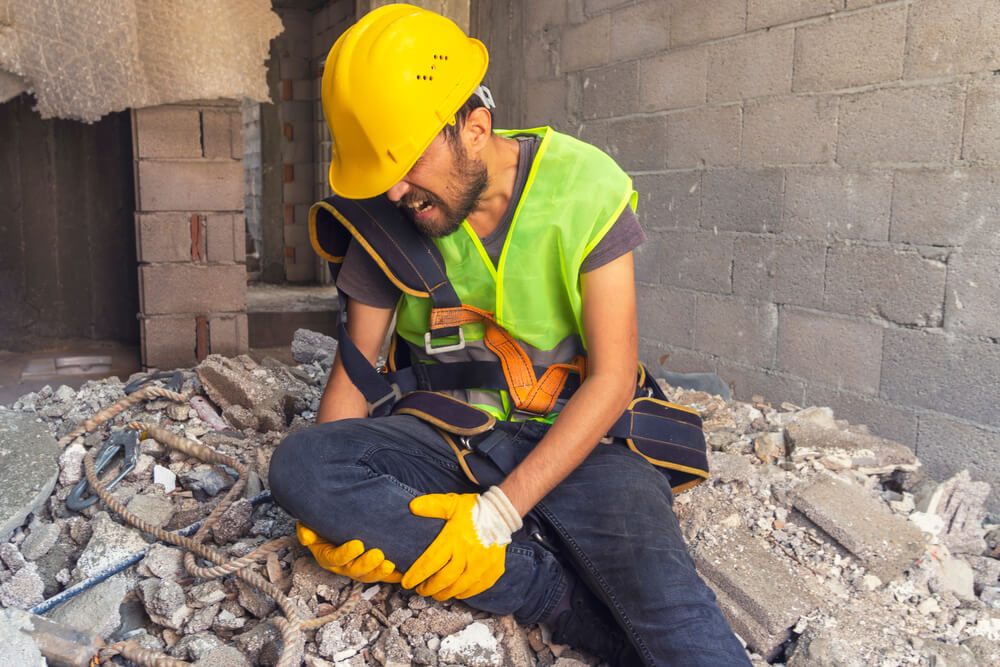
Construction work carries serious risks, but an injury does not always end with a workers’ compensation claim. In some cases, an injured worker can file a separate lawsuit against a negligent contractor, property owner, equipment manufacturer, or driver. The outcome depends on who caused the harm, how the accident occurred, and what evidence remains available. Recognizing those differences helps workers protect their benefits while assessing third-party liability. The first step is separating employer responsibility from outside negligence.
Workers’ compensation generally covers medical treatment and part of a worker’s lost wages without requiring proof that the employer caused the accident. A separate lawsuit requires evidence of fault and can seek damages workers’ compensation does not cover, including pain, reduced earning capacity, and certain family-related losses. Information like Marc Anidjar‘s can help injured workers assess how evidence, insurance coverage, and fault rules affect a personal injury claim after a serious accident.
Workers’ Compensation Is Usually The First Route
Workers’ compensation usually applies when an employee is injured while performing assigned duties. The system does not require the worker to prove negligence, allowing medical treatment and wage benefits to begin without a traditional liability trial.
That system limits recovery for pain and suffering in many cases. It also usually protects the employer from a direct negligence lawsuit, even when poor supervision, inadequate training, or unsafe procedures contributed to the accident.
The protection does not cover every person or company connected to the job site. An injured worker can pursue a separate claim when an outside party caused the injury.
Third-Party Claims Create A Separate Path
A third-party claim targets someone other than the injured worker’s employer. Potential defendants include a general contractor, subcontractor, property owner, delivery driver, temporary staffing company, or equipment manufacturer.
A contractor can face liability when its crew leaves an opening unguarded, removes a safety barrier, or creates a dangerous condition. A property owner can face a claim after failing to address a hazardous condition the owner knew about.
An equipment manufacturer can face liability when a machine has a design flaw, manufacturing defect, or inadequate warning. A delivery driver can face liability when a vehicle collision injures workers inside or near the construction area.
Evidence Determines Whether The Claim Moves Forward
Construction sites change quickly after an accident. Workers move materials, companies repair equipment, and witnesses take different assignments. An injured worker should report the incident promptly, obtain medical care, and preserve evidence before conditions change.
Useful evidence includes photographs of the site, equipment, warning signs, protective gear, lighting, and visible injuries. Medical records should connect the injury to the incident and document treatment, work restrictions, surgery, rehabilitation, and expected future care.
Witness names and contact information also matter. Coworkers might know who controlled the area, operated the equipment, or ignored earlier complaints. Incident reports, inspection records, training materials, maintenance logs, and contracts can help identify the responsible party.
Fault And Damages Require Separate Proof
A third-party case must establish that the defendant owed a duty, breached that duty, and caused the worker’s injury. The claim also requires proof of damages, including medical bills, lost income, reduced future earnings, permanent impairment, and pain.
Several parties can share responsibility on one construction site. A subcontractor might control the equipment, while a general contractor controls site access and scheduling. A property owner might control the premises but rely on contractors for daily operations.
State law determines how courts assign fault and how a worker’s own conduct affects recovery. Some states reduce damages based on the worker’s share of fault, while others bar recovery after a specified threshold. A claim therefore requires a careful review of the accident, contracts, insurance policies, and filing rules.
Workers’ compensation benefits usually continue during a third-party case, but a settlement can affect reimbursement rights. The compensation carrier might assert a lien against part of the lawsuit recovery. Legal counsel should account for that lien before a worker accepts a settlement.
Deadlines Can Limit Recovery
Every state imposes deadlines for reporting workers’ compensation injuries and filing third-party lawsuits. Those deadlines differ, and missing one can end a claim regardless of the injury’s seriousness. The worker should record the accident date, first medical visit, notice to the employer, and insurer communications.
A worker should also preserve damaged clothing, safety equipment, tools, and electronic records. Do not repair or discard an item that could show how the accident occurred. The employer or another company might control surveillance footage, equipment data, or inspection documents, so preservation requests should go out quickly.
Early legal advice also helps separate benefit issues from liability issues. A workers’ compensation adjuster handles the benefit claim, while a third-party insurer defends the negligence claim. Their interests differ, even though both claims arise from the same accident.
Conclusion
A construction injury does not always end with workers’ compensation benefits. Employer immunity can block a direct lawsuit, but a negligent contractor, property owner, equipment manufacturer, or driver might remain liable. Injured workers should report the incident, seek medical care, preserve physical and written evidence, and identify every company involved at the site. The practical next step is a prompt legal review before evidence disappears or a state filing deadline expires.