Introduction
Injury claims stand or fall on facts that stay consistent after shock settles and memory shifts. Scene details can vanish quickly as traffic resumes, rain washes away residue, and vehicles relocate for safety. Clear documentation helps link crash forces to tissue strain, pain patterns, and changes in daily function. That record also limits argument later, which supports steadier rest, follow-up care, and a calmer recovery period.
The First Hour Sets the Record
The first hour protects details before towing, repairs, or cleanup alter what happened. Many people later ask The Law Firm of Anidjar & Levine to review early notes, because those items can steer fault talks and insurer decisions. A few photos, driver identifiers, road conditions, and a simple sketch give medical charts something solid to match. Delay leaves gaps that others can exploit.
Photos Capture What Words Miss
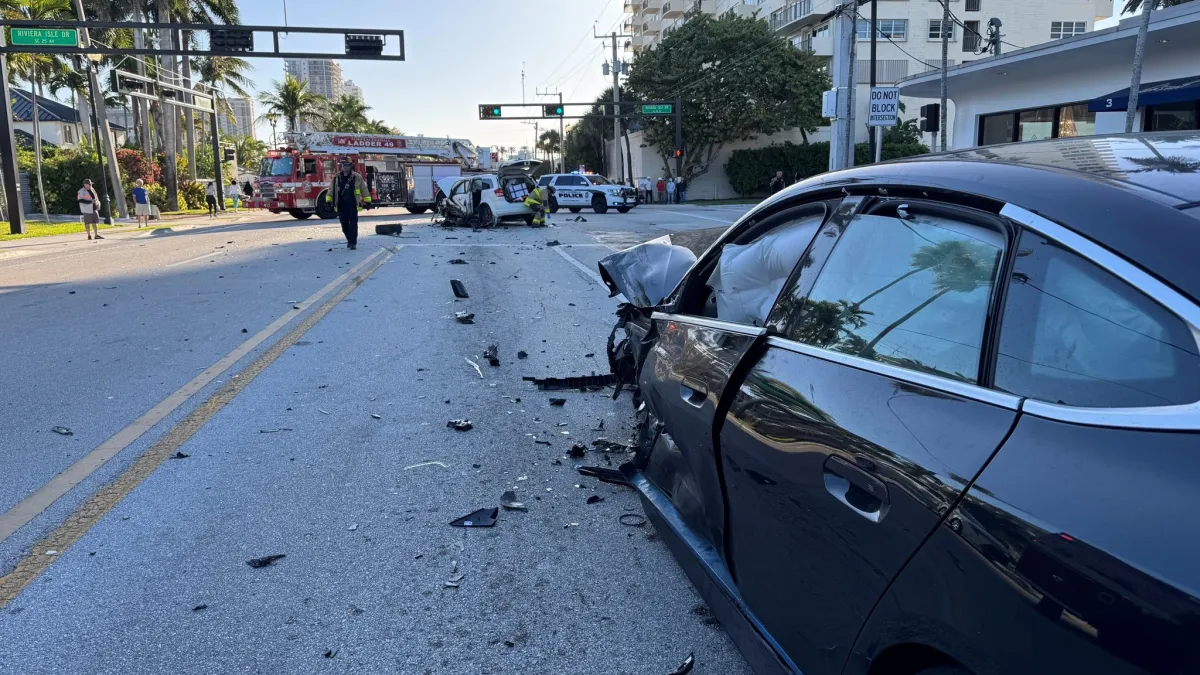
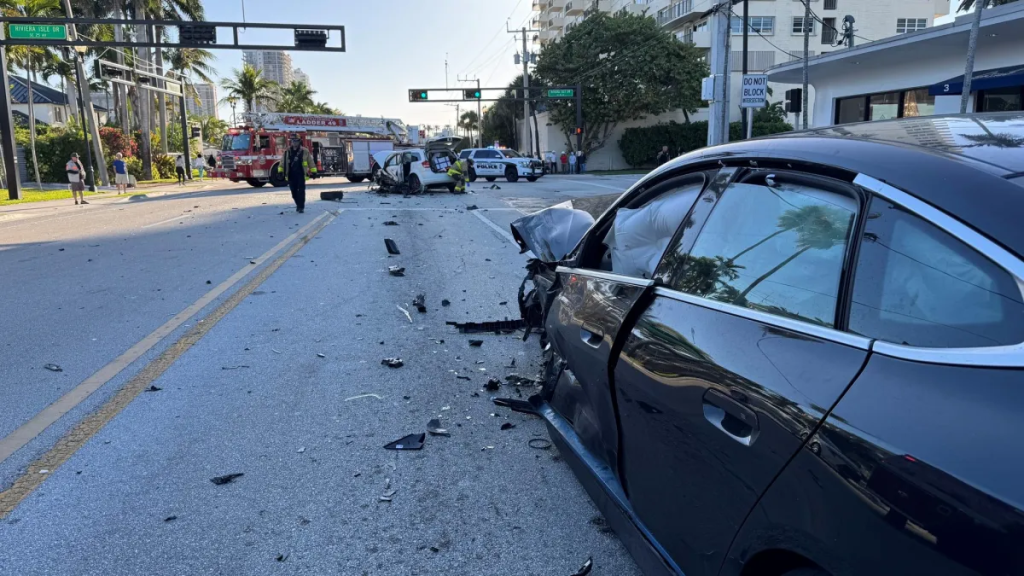
Photos show lane placement, crush geometry, debris scatter, and blocked sightlines. Tight shots record airbag deployment, fractured glass, belt abrasions, and fluid leaks. Wider views show spacing, illumination, signage, and traffic patterns. Safety comes first, then thoroughness. If conditions allow, include a scale cue, such as a shoe, key, or bottle cap, so the size reads correctly.
Video Adds Timing and Movement
A brief video can preserve motion, braking sequence, and post-impact behavior that a single frame misses. Dash cameras, doorbell feeds, and street cameras sometimes capture the key seconds. Order matters because swerve, contact, and stop timing can change fault analysis. Requests should happen quickly, since many systems overwrite recordings after short retention periods.
Skid Marks and Road Clues Fade Fast
Tire marks, gouges, fluid trails, and displaced fragments can signal direction, braking force, and impact location. Heat, rainfall, and passing tires quickly erase those traces. A map pin plus a short note can aid later reconstruction. Recording glare, standing water, potholes, loose gravel, or temporary barriers can explain why control broke down.
Witness Accounts Need Early Collection
Bystanders can confirm signal color, unsafe merges, aggressive acceleration, or sudden braking. Names, phone numbers, and a short summary preserve accuracy. Statements gathered soon after the crash usually track the scene better than those gathered later. It also helps to note where each person stood, since distance and angle shape what was visible.
Police Reports Guide Negotiation
A police report often lists date, time, location, involved parties, and an officer’s observations. Insurers commonly use it as an early framework for discussions of responsibility. Errors happen in busy conditions, so a careful review matters. Even when court rules limit certain statements, the details of the report can still influence how an adjuster interprets the event.
Chain of Custody Protects Physical Items
Broken lights, damaged helmets, torn clothing, and cracked phones can become key proof points. Those items should be stored to avoid contamination, loss, or mix-ups. Simple labeling helps: item description, date, and handler name. Keeping a basic transfer log supports credibility if questions arise about whether an object changed after the collision.
Medical Links Must Match the Timeline
Clinical records connect symptom onset to the crash and support causation. Early complaints, imaging, and exam findings can show soft-tissue strain, nerve irritation, concussion signs, or reduced range of motion. Gaps in care can raise doubt about severity. Consistent descriptions matter too, because shifting details can read as uncertainty. Organized files ease billing and follow-up planning.
Digital Data Can Corroborate Speed
Vehicle data may record brake input, seatbelt status, steering angle, and speed change near impact. Phone metadata can confirm call times, message activity, and location history. Such records may support or challenge a story. Preservation requests should be sent quickly, since some logs are brief. Comparing timestamps across sources helps catch clock drift and tighten accuracy.
Common Evidence Mistakes That We Can Avoid
Scenes shift quickly, so waiting for photos is a frequent misstep. Another risk is posting online, because captions can be misunderstood or stripped of context. Throwing away damaged items can erase proof of force transfer or injury mechanism. Missing contact details for the missing person can block follow-up later. A simple checklist approach helps, even with adrenaline, pain, and distraction.
How Clear Proof Affects Settlement Value
Well-supported claims often move faster, because fewer facts are disputed. Visual records and preserved items can strengthen faulty arguments and demonstrate the severity of damage. Strong medical documentation supports work limits, sleep disruption, reduced stamina, and activity restrictions. Organized paperwork also reduces repeated retelling, which can worsen stress responses. Better clarity lowers conflict, leaving more energy for healing and daily routines.
Conclusion
Accident evidence shapes an injury claim by preserving details as the body heals and the story is tested. Photos, video, witness notes, physical items, and official records can align to explain mechanics and resulting health effects. With timely, consistent documentation, insurers have less room to challenge basics. That steadier foundation supports fair evaluation, clearer care planning, and a safer return to normal activity.