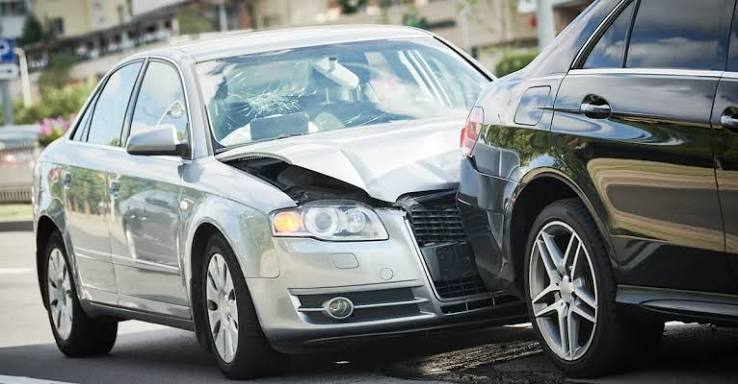
Fault after a crash is seldom based on a single clue. Attorneys examine the collision as a sequence, from driver choices to roadway limits and injury onset. Reports, photographs, damaged vehicles, witness statements, video footage, and medical files each answer a different question. Together, those sources may show speeding, distraction, unsafe turns, poor maintenance, or hazardous pavement. A disciplined investigation also helps injured people respond to insurers with facts instead of guesses.
Early Case Review
Early review starts with timing, location, vehicle paths, weather, symptoms, and coverage. Legal teams such as those at John Foy may examine reports, photographs, repair records, and treatment notes to identify fault signals before proof disappears. This first review can protect evidence while cars remain unrepaired, cameras still hold footage, and witnesses can recall what they saw.
Police Reports
Police reports give the case its first formal outline. They may list drivers, passengers, witnesses, citations, diagrams, road surface notes, and officer observations. Attorneys check those entries against photographs, damage, and later statements because errors happen. A citation may help prove liability, but it rarely ends the inquiry. The report remains one record, not the whole case.
Scene Evidence
The crash location can change quickly. Here’s how that may happen:
- Skid marks fade.
- Glass is swept away.
- Traffic resumes and follows its normal pattern.
Attorneys may examine lanes, signs, signal timing, lighting, sight distance, shoulder width, and nearby obstructions to understand the situation just before the accident. Photographs from residents or businesses can preserve conditions from that day. Such details help show whether a driver had a fair chance to react.
- Measurements
Measurements help translate the scene into movement. Lane width, stopping distance, resting positions, and debris spread can support findings about a vehicle’s speed or direction.
Vehicle Damage
Vehicle damage offers a plain understanding when accounts conflict. Front crush, side intrusion, broken lamps, paint transfer, glass patterns, and airbag deployment may show contact points. Attorneys compare those marks with each driver’s version. If a statement does not fit the physical evidence, the damage may expose that gap. Repair estimates can also confirm impact force and affected areas.
Witness Accounts
Witnesses often fill spaces that documents leave open. A nearby driver, pedestrian, or worker may have seen a light change, sudden lane shift, or phone use. Attorneys contact them early because memory usually weakens under stress and with time. Reliable accounts can usually describe position, distance, lighting, and timing. Guesses, assumptions, or secondhand stories carry far less value in these cases.
Video Footage
Video footage can settle disputes that memory cannot. Useful sources may include dash cameras, doorbell systems, buses, stores, parking lots, and traffic cameras. Attorneys often send preservation notices soon after the crash because many systems erase clips within days. Even a short recording may reveal speed, braking, signal use, lane position, pedestrian movement, or impact sequence.
Phone Records
Distraction claims require care. Attorneys may seek call logs, message timing, app activity, or related phone data when other proof supports that request. Courts usually require a clear reason before allowing access. At this point, these details are not private. The question is whether attention shifted away from traffic during the seconds before impact.
Expert Analysis
Some collisions require reconstruction. Experts may study vehicle data, roadway measurements, photographs, damage profiles, and physics calculations. Their analysis can estimate speed, braking, angle, and reaction time. Medical specialists may also compare injuries with crash forces. When strong opinions align with physical evidence, there’s no need to rely on theory alone to convince a jury.
- Vehicle Data
Modern cars may store crash information. Speed, braking, throttle use, seat belt status, and steering input can confirm or challenge driver statements.
Medical Records
Medical records do more than document the value of harm. Emergency notes, imaging, diagnoses, and treatment plans can connect symptoms to impact forces. Delayed care may invite dispute, but gaps can have real explanations, including shock, work duties, transport problems, or slow-developing pain. Consistent records help show causation, timing, and the effect on daily function.
Insurance Statements
Insurers often request recorded statements before injured people know the full medical picture. Attorneys review prior answers for accuracy, context, and missing facts. Adjusters may focus on small wording differences to argue shared fault. A measured response can address confusion without exaggeration. Consistency matters because liability findings may shape settlement talks, payment decisions, or trial presentation.
Comparative Fault
Fault may be divided between drivers in many states. Such a division can reduce recovery if an injured person shares responsibility. Attorneys look for evidence that prevents unfair blame. Blocked visibility, sudden hazards, excessive speed by another driver, poor lighting, or missing signals may change the percentages. The aim is a fair allocation based on proof.
Conclusion
A strong fault investigation depends on prompt action, organized records, and disciplined comparison. Attorneys study reports, scene proof, damaged vehicles, witnesses, video footage, phone activity, expert findings, and medical files to test each account. No single item decides every case. When the pieces fit together, the evidence can show how the crash occurred, who acted unsafely, and what compensation the facts support.