Introduction
Charcoal has been a vital source of fuel, both for industrial and domestic purposes, for centuries. With increasing environmental concerns and the push for renewable energy, producing charcoal from biomass waste such as how to make charcoal from sawdust and palm kernel shells has gained significant attention. Not only is this method eco-friendly, but it also creates value from agricultural and industrial byproducts.
This guide delves into the step-by-step process of making charcoal from sawdust, introduces palm kernel shell charcoal machines, explores equipment options, and highlights the economic and environmental benefits of these production methods.
Part 1: Making Charcoal from Sawdust
1. Understanding Sawdust Charcoal
Sawdust, a byproduct of wood processing, is rich in carbon content and can be effectively converted into high-quality charcoal. Sawdust charcoal is widely used in domestic cooking, industrial applications, and as an ingredient for activated carbon production. The key advantages of using sawdust include:
- Sustainability: Utilizes wood industry waste.
- Efficiency: Small particle size allows for faster and uniform carbonization.
- Economic Value: High market demand for briquette charcoal and eco-friendly fuel.
2. Preparing Sawdust for Charcoal Production
Before carbonization, sawdust requires proper preparation to ensure high-quality charcoal output.
A. Crushing
- Coarse sawdust should be crushed using a wood crusher to reduce particle size to less than 5mm.
- Uniform particle size ensures better compaction and even carbonization.
B. Drying
- Moisture content must be reduced to below 12% to facilitate efficient carbonization.
- Drying can be performed naturally under the sun or using mechanical dryers like rotary drum dryers for large-scale production.
C. Screening
- Remove impurities such as stones or metals that may interfere with the carbonization process.
- A sieve or magnetic separator can help achieve pure, clean sawdust.
3. Briquetting Sawdust
Sawdust, being fine and loose, is unsuitable for direct carbonization without compression. Briquetting converts loose sawdust into solid forms that are easy to handle and carbonize.
Briquetting Machines
- Sawdust Briquette Machine: Compresses sawdust into various shapes such as hollow, square, or hexagonal briquettes.
- Features: High pressure, adjustable size, and energy-efficient.
- Benefits: Enhances combustion efficiency and reduces transportation and storage costs.
Process
- Feed dried sawdust into the briquette machine.
- Apply pressure and heat to form solid briquettes.
- Cool the briquettes before carbonization.
4. Carbonization Process
Carbonization is the most crucial step in transforming sawdust briquettes into charcoal.
Equipment
- Sawdust Charcoal Machine Line: A comprehensive system that includes:
- Briquetting machine
- Carbonization furnace/kiln
- Cooling unit
- Packaging station
- Briquetting machine
Procedure
- Place sawdust briquettes into a carbonization furnace.
- Heat at 500–800°C in an oxygen-limited environment to prevent combustion.
- Maintain the temperature for several hours to ensure complete carbonization.
- Cool naturally to room temperature before handling.
Key Considerations
- Oxygen control is essential to prevent briquettes from burning instead of carbonizing.
- Temperature uniformity ensures consistent charcoal quality.
5. Post-Carbonization: Cooling and Packaging
After carbonization, charcoal must be cooled and packaged to maintain quality.
- Cooling: Allow briquettes to cool naturally inside the furnace or in a cooling chamber.
- Sorting: Remove any under-carbonized or broken pieces.
- Packaging: Store in airtight bags to prevent moisture absorption.
6. Advantages of Sawdust Charcoal Production
- Eco-Friendly: Reduces wood consumption and utilizes waste products.
- High Efficiency: Briquettes burn longer and produce less smoke compared to raw wood.
- Commercial Value: High demand for eco-friendly cooking fuel and industrial charcoal.
Part 2: Palm Kernel Shell Charcoal Machine
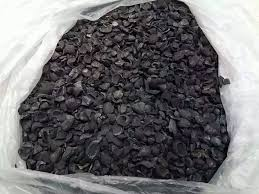
Palm kernel shell charcoal machine, a byproduct of palm oil extraction, are another excellent source of biomass for charcoal production. Their hard, dense structure makes them ideal for high-quality charcoal.
1. Introduction to Palm Kernel Shell Charcoal
Palm kernel shells (PKS) are abundant in tropical regions where palm oil is produced. They contain high carbon content and low moisture, making them perfect for energy-efficient charcoal.
Uses of PKS Charcoal:
- Industrial fuel in power plants
- Domestic cooking
- Activated carbon production
2. Preparation of Palm Kernel Shells
A. Collection
- Gather shells from palm oil mills or processing plants.
B. Crushing
- Large shells should be crushed into smaller particles using a shredder.
C. Drying
- Reduce moisture content to around 10–15% using solar drying or mechanical dryers.
3. Palm Kernel Shell Carbonization
Equipment
- Palm Charcoal Production Line: Specialized machinery designed for palm kernel shells, including:
- Crusher
- Dryer
- Carbonization furnace
- Cooling and packaging units
- Crusher
Process
- Feed dried shells into the carbonization furnace.
- Heat in an oxygen-limited environment at 400–500°C.
- Maintain heat for 2–6 hours depending on furnace size.
- Cool gradually to room temperature.
4. Post-Processing
- Sorting: Remove broken pieces or ash.
- Packaging: Bagged or bulk charcoal is ready for commercial sale.
5. Advantages of Using Palm Kernel Shells
- Sustainable: Utilizes agricultural waste that would otherwise be discarded.
- High Calorific Value: Burns hotter and longer than many other biomass materials.
- Versatile Applications: Suitable for domestic and industrial energy use.
Part 3: Equipment Selection and Considerations
1. Sawdust Charcoal Machine Line
- Designed for continuous production.
- Integrates crushing, briquetting, and carbonization.
- Scalable for small, medium, and large operations.
2. Palm Kernel Shell Charcoal Production Line
- Specifically engineered for palm kernel shells’ size and density.
- Includes crushers, dryers, and kilns with automated feeding and output.
- High-efficiency design reduces energy consumption and operational cost.
Key Considerations for Choosing Equipment
- Capacity: Select a machine that matches your desired output, from a few tons per day to industrial-scale production.
- Automation Level: Fully automated lines reduce labor costs and increase production efficiency.
- Durability: Invest in machines made from high-quality steel and resistant to wear.
- Energy Efficiency: Look for machines with optimized heat control and low energy consumption.
- After-Sales Support: Choose suppliers who provide installation, training, and spare parts.
Part 4: Environmental and Economic Benefits
Environmental Benefits
- Reduces deforestation by utilizing wood waste.
- Minimizes pollution by controlling carbonization emissions.
- Promotes sustainable use of agricultural byproducts.
Economic Benefits
- Generates additional income from sawdust and palm kernel shells.
- Produces high-value charcoal for domestic and industrial markets.
- Can supply eco-friendly charcoal products to restaurants, factories, and households.
Part 5: Safety Tips
- Fire Control: Carbonization furnaces should have proper ventilation and fire suppression systems.
- Protective Gear: Workers should wear gloves, masks, and heat-resistant clothing.
- Proper Storage: Store charcoal in dry, ventilated areas to prevent spontaneous combustion.
- Regular Maintenance: Keep machinery in good condition to avoid accidents.
Part 6: Conclusion
Making charcoal from sawdust and palm kernel shells is an effective, eco-friendly, and profitable way to utilize agricultural and industrial byproducts. With the right equipment, such as sawdust charcoal machine lines and palm kernel shell charcoal machines, businesses can produce high-quality charcoal efficiently while promoting sustainable practices.
Whether for domestic fuel, industrial applications, or sale as eco-friendly products, charcoal production from biomass offers a sustainable path forward, combining economic benefits with environmental responsibility.