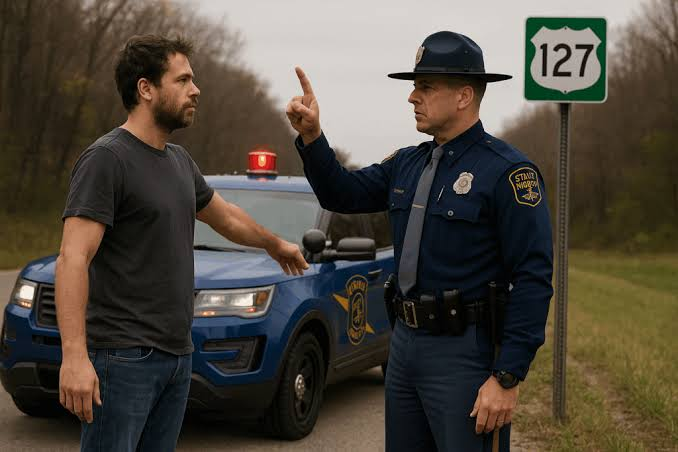
A traffic stop may begin with a brief signal from a patrol car, but its legal effect can reach every later charge. Questions, searches, tests, and statements often flow from that first decision. A criminal defense lawyer starts there because police power has boundaries. If the stop lacked legal support, later proof may weaken. Careful review protects your rights and forces the state to justify each step.
Why Stops Matter
Traffic stops often start with claims about speed, lane position, lights, plates, or unsafe movement. Defense counsel studies those claims early, before court deadlines narrow the options. Guidance from Grand Canyon Law Group explains why prompt planning matters, since records, video, witness memory, and police notes can shape whether a stop survives review.
The Legal Starting Point
Police need reasonable suspicion before stopping a vehicle. That standard requires observable facts, not instinct. An officer may cite driving conduct, equipment trouble, or verified warrant information. The defense asks what was seen, where it occurred, and whether the report matches recorded proof. Vague wording can expose a weak basis for the stop.
Reviewing Officer Claims
Police reports often reduce events to labels, such as unsafe lane change, furtive movement, or nervous behavior. A defense lawyer looks past those labels. Counsel compares written accounts with dash camera footage, body camera audio, dispatch logs, maps, lighting, traffic flow, and road design. A claimed violation may lose force once timing, distance, lane markings, or visibility are closely reviewed.
Checking Camera Evidence
Video often supplies the clearest account. It may show steady driving, poor lane markings, blocked signage, or no visible violation. Audio can reveal changing explanations from officers. A lawyer reviews the full recording, rather than a short excerpt. If police gave one reason at the roadside and another in reports, credibility becomes a central issue.
Testing Reasonable Suspicion
Reasonable suspicion must exist before the stop begins. Police cannot rely on evidence found afterward to justify an earlier seizure. Counsel separates the timeline into clear stages. First comes the claimed traffic reason. Questions, searches, tests, and arrest decisions follow. That order matters because each later action depends on lawful authority at the prior stage.
Challenging Extended Detention
A valid stop can become unlawful when police keep someone longer than needed. Officers may address the traffic issue, check records, and manage safety concerns. They need added legal grounds to prolong the encounter. A lawyer looks for idle periods, unrelated questions, drug inquiries, or delays while another unit arrives. Those gaps may support suppression.
Questioning Searches
Vehicle searches usually require consent, probable cause, a warrant, or a recognized exception. Consent must be voluntary, not pressured. Probable cause must rest on facts, not broad impressions. Defense counsel checks whether officers overstated authority, misstated rights, or relied on thin observations. Claims about odor, visible items, or safety risk require careful proof.
Examining Field Tests
Impaired driving stops often include field sobriety exercises. These tests depend on instructions, surface grade, footwear, lighting, weather, fatigue, injuries, and neurological conditions. A lawyer reviews whether the officer explained each task correctly. Balance, eye movement, and coordination can reflect health issues or stress. Poor administration may reduce the value of the result.
Studying Statements
Drivers often answer questions because the setting feels compulsory. Counsel asks whether the person was under detention, free to leave, or effectively in custody. Statements made without proper warnings may face challenge. Even brief remarks can get misread. A lawyer reviews tone, timing, officer pressure, and context before deciding whether a statement should stay in evidence.
Filing A Motion
A suppression motion asks the court to exclude evidence obtained through unlawful police conduct. The lawyer presents the timeline, legal basis, and conflicts in the proof. A judge may hold a hearing where officers testify. Cross-examination can reveal memory gaps, uncertain observations, or changed explanations. If the motion succeeds, key evidence may get removed.
Using Local Court Practice
Local procedure affects how stop challenges unfold. Filing deadlines, hearing rules, and record requests all matter. A lawyer familiar with the court can seek video, preserve dispatch data, and frame questions with precision. Local knowledge does not replace evidence. It helps constitutional arguments reach the judge in a clear, timely, and useful form.
Impact On The Case
A successful traffic stop challenge can reshape the defense. Evidence may get excluded. Charges may get reduced, dismissed, or negotiated from a stronger position. Even an unsuccessful motion can reveal helpful details. The process tests police conduct, preserves your constitutional protections, and shows the state that every factual claim must withstand scrutiny.
Conclusion
An unlawful traffic stop is never a minor technical point. It can affect searches, statements, test results, and the strength of criminal charges. A defense lawyer challenges the stop by testing the original reason, timing each police action, and comparing every claim against proof. Courts require facts, not assumptions. With organized records and precise motions, the defense can protect your rights and hold the state to its burden.